Japan · Food & Sake
Wakayama Umeshu and Ume Culture: A Journey from Orchard to Table
Explore Wakayama’s ume culture through Minabe orchards, plum products, umeshu craftsmanship, and regional food, with practical ideas for independent travelers and overseas advisors.

Follow the fragrance of ripe ume
Wakayama’s ume story begins long before a glass of umeshu reaches the table. In Minabe, orchard slopes, preserving knowledge, and generations of growers connect a fragrant fruit to drinks, pickles, sweets, and everyday meals. Traveling here gives visitors a chance to understand that umeshu is not simply a sweet liqueur: it is one expression of an agricultural culture shaped by climate, patience, and careful use of the harvest.
Start with the fruit itself
The Nanko Ume variety originated in Minabe. Visit Wakayama describes its large fruit, thin skin, tender flesh, and peach-like aroma when fully ripe—qualities suited to both umeboshi and umeshu. The story can be explored through the Ume Promotion Center, a three-storey facility with exhibitions on local production and history plus a shop for regional ume products. It gives travelers useful context before tasting, and it also offers a non-alcoholic entry point for families or mixed groups.
Takada Orchard, associated with the mother-tree story of Nanko Ume, is another example of how the region links cultivation with the future of farming. The official tourism story notes hands-on programs including umeboshi and umeshu making, but travelers should contact the provider to confirm current dates, language support, eligibility, and booking conditions.

Meet umeshu as a craft
Closer to Wakayama City, Yoshimura Hideo Shoten has made sake and fruit liqueurs for more than a century. The official listing mentions brewery visits and an umeshu workshop for a fee. A visit can help travelers compare fermentation and infusion, and see how a brewery works with fruit as well as rice. Do not build an itinerary around a workshop until the brewery has confirmed it for the intended date and group.
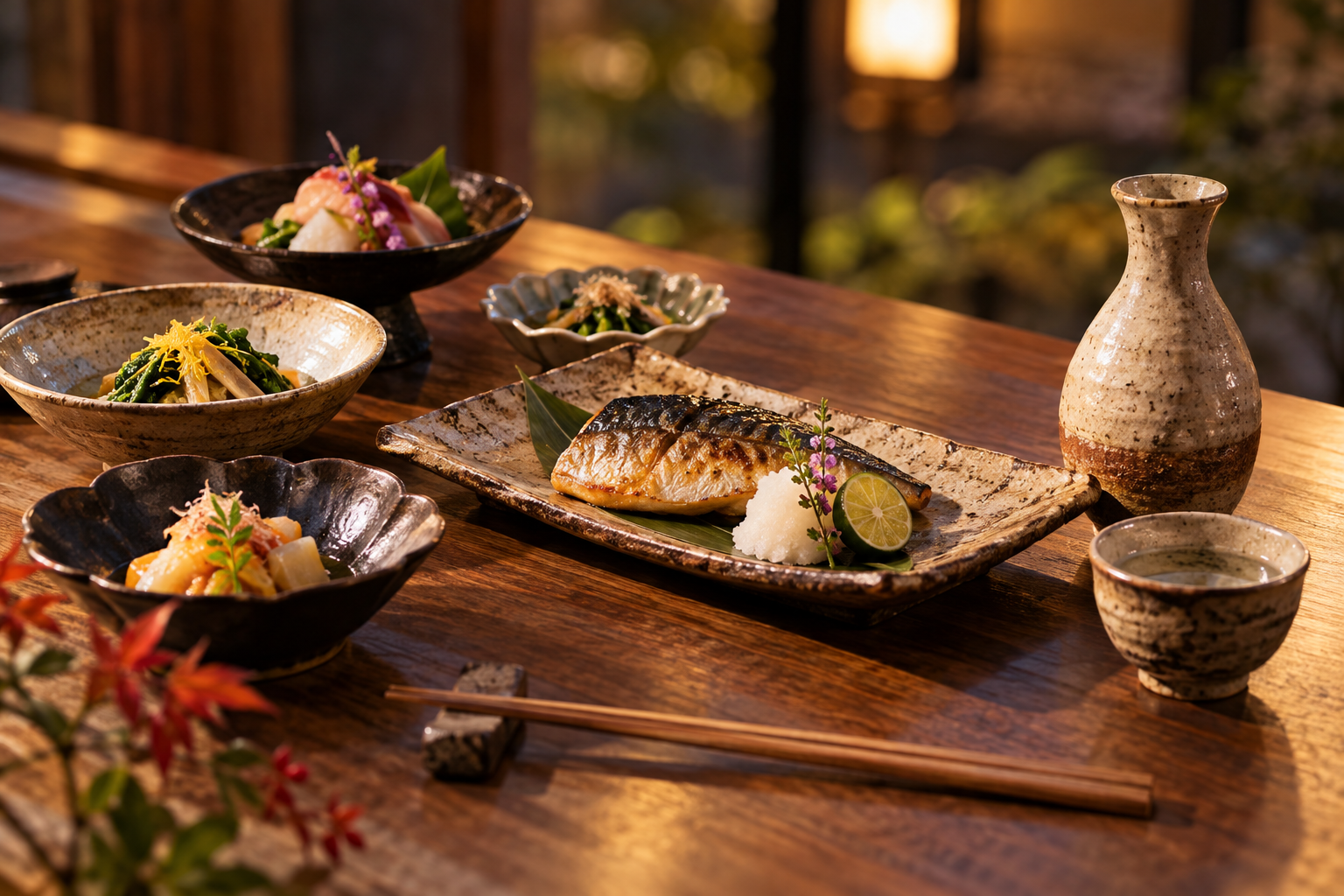
Complete the day with regional food. Wakayama’s table includes umeboshi, seafood, and mehari-zushi—rice wrapped in pickled mustard greens. Their sour, salty, and savory flavors create a natural conversation with ume liqueur without requiring a formal pairing menu.
A meaningful itinerary for advisors
For overseas travel advisors, the strongest proposal is a two-part story: Minabe for landscape and cultivation, then a brewery or city stay for craftsmanship and dining. It suits repeat visitors to Kansai, food-culture travelers, and clients interested in agriculture or preservation. Keep seasonal orchard experiences optional and distinguish confirmed reservations from suggested stops.
To shape a Wakayama ume journey around your clients’ interests and logistics, contact [Deep Emotion Travel](https://travel.deepemotion.co.jp/).
A planning framework
Start with what your clients want to experience.
Connect the table to its surroundings.
Confirm timing, inclusions and practical needs.
YOUR ENQUIRY
Let’s shape a culinary journey.
Tell us what would make the stay meaningful for you—your interests, timing and the kind of experience you have in mind.
Email our travel team instead